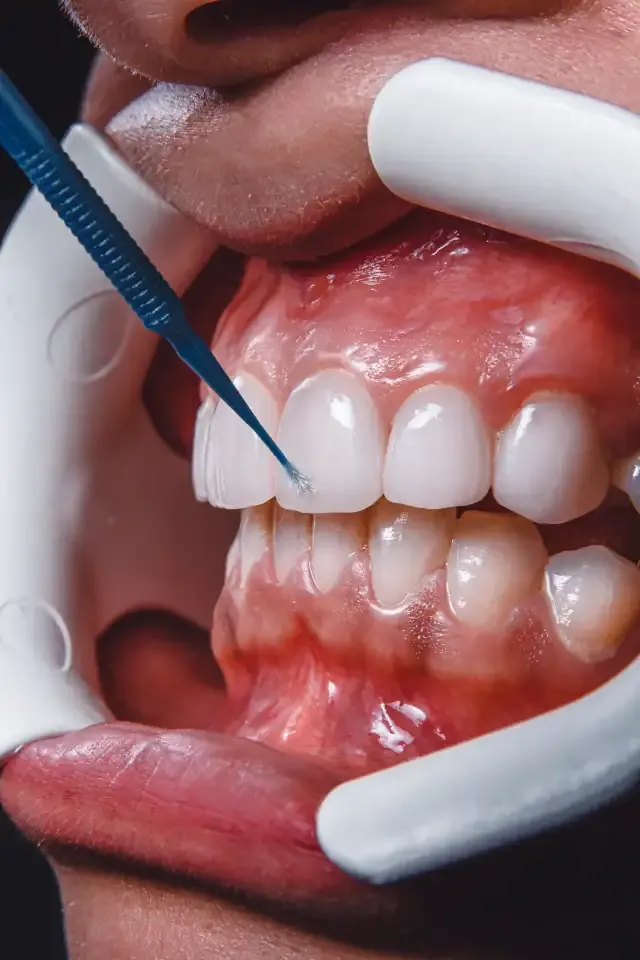
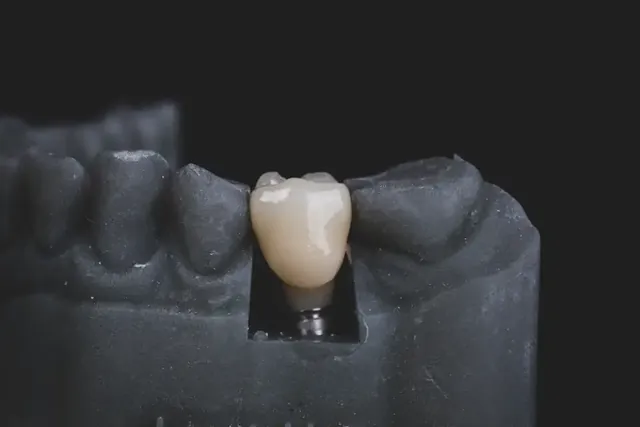
Aesthetic dentistry
What are veneers? E-max vs composite veneers explained
What are veneers, who might they suit, and how do E-max ceramic veneers differ from composite veneers? A clear explanation from Dr. İdris Rəhimli.
· 5 min read
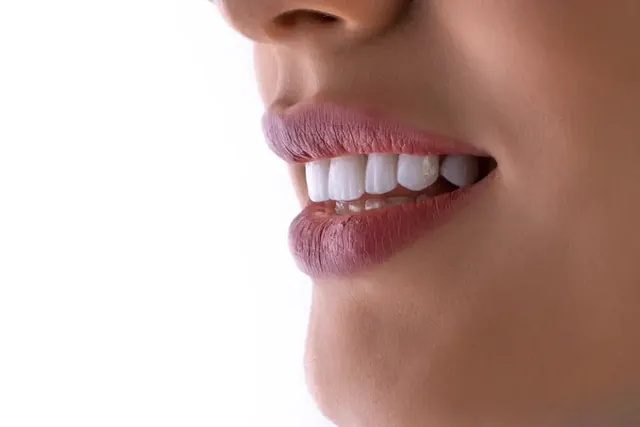
One of the most common questions from patients who are unhappy with their smile is: “Do I need veneers?” In this article we explain in plain language what veneers are, which types exist, and what to consider when choosing.
What is a veneer?
A veneer is a thin shell bonded to the front (visible) surface of a tooth. Its main purpose is to improve the colour, shape, size and overall appearance of the teeth. A veneer does not replace the tooth itself — it changes how it looks.
Veneers are most often discussed in cases such as:
- tooth colour that does not change with whitening;
- small gaps between teeth;
- teeth with an uneven shape or size;
- minor chips and wear on the edges of the teeth.
Whether veneers are right for you can only be determined after an examination by the dentist, taking into account the health of your gums, your bite and your teeth.
What is an E-max veneer?
E-max is a ceramic material based on lithium disilicate. It transmits light in a way that is similar to natural tooth enamel. That is why, when properly planned, E-max veneers make it possible to achieve a natural-looking result.
E-max veneers are made individually in a dental laboratory. The shape, shade and proportions of each tooth are planned to suit the patient’s facial features.
What is a composite veneer?
A composite veneer is built directly on the tooth in layers of composite (filling) material. This is usually completed in less time.
However, composite has its own characteristics. Over time, discolouration, loss of polish and surface wear may appear. We have seen such cases in our practice: a patient who previously had composite veneers had their smile restored with E-max veneers.
E-max vs composite: the main differences
| E-max (ceramic) | Composite | |
|---|---|---|
| How it’s made | In the lab, individually | Directly in the mouth |
| Appearance | Light transmission close to enamel | Depends heavily on the dentist’s skill |
| Changes over time | Keeps its surface colour better | May discolour and lose polish |
| Procedure | Several visits | Usually quicker |
Which option suits you depends on the condition of your mouth, your expectations and your dentist’s recommendation.
What makes veneers look natural?
In our approach, a beautiful smile is made up of four key elements:
- The right tooth shape — size and proportions;
- The right shade — chosen with a shade guide to match your skin tone;
- Facial planning — the smile is designed around your facial features;
- Quality lab work — every restoration is crafted separately.
The goal is not “artificial teeth”, but a smile that looks as natural as possible.
How to care for veneers
- Brush twice a day with a soft toothbrush;
- choose a low-abrasive toothpaste;
- use dental floss or interdental brushes;
- have regular dental check-ups.
Frequently asked questions
Do teeth need to be prepared for veneers?
That depends on the type of veneer and the condition of the tooth. During planning, the dentist will explain how much preparation is needed.
Can I choose the shade of my veneers?
The shade is chosen together with the dentist, using a shade guide and taking your skin tone into account. The aim is a natural look.
How long does it take to make veneers?
The timeline depends on the planning and laboratory work. You will receive exact information at your consultation.
This article is for information only and does not replace an examination by a dentist. Book a consultation to find out which treatment is right for you.
Book a consultation: WhatsApp — +994 50 224 52 25